China Top Baggy Pants Manufacturers for Global Buyers
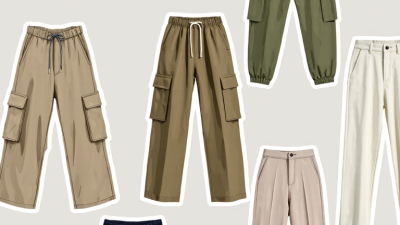
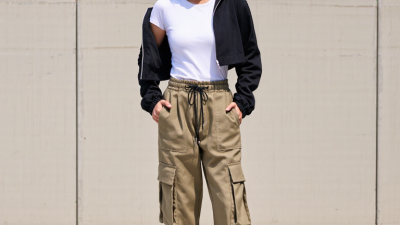
China remains a major sourcing destination for global apparel buyers seeking reliable Baggy Pants manufacturers. Its production network covers streetwear, casual fashion, workwear, and private-label collections. Experienced factories can handle cotton twill, denim, fleece, nylon, and blended fabrics. They also support pattern development, custom labels, packaging, and flexible production quantities.
Choosing a suitable manufacturer requires more than comparing prices. Buyers should review factory experience, sample quality, fabric consistency, stitching strength, and communication speed. A practical assessment may include checking waistband recovery, pocket reinforcement, seam alignment, and wash performance. A well-made sample should keep its relaxed shape without looking careless. Fit still matters.
This guide examines China’s leading Baggy Pants manufacturers from a global buyer’s perspective. It considers production capability, customization options, quality control, minimum order quantities, lead times, and export experience. Reliable suppliers should explain their materials clearly and provide realistic delivery schedules. Independent factory audits, documented inspection procedures, and relevant certifications can support better decisions.
No supplier is perfect. Even experienced factories may face fabric delays, sampling changes, or inconsistent sizing during early development. That is why clear tech packs, approved samples, and written quality standards remain essential. Buyers should also test small orders before expanding production. A lower quote may hide weaker fabric or limited after-sales support. Careful comparison creates stronger partnerships and reduces avoidable sourcing risks.
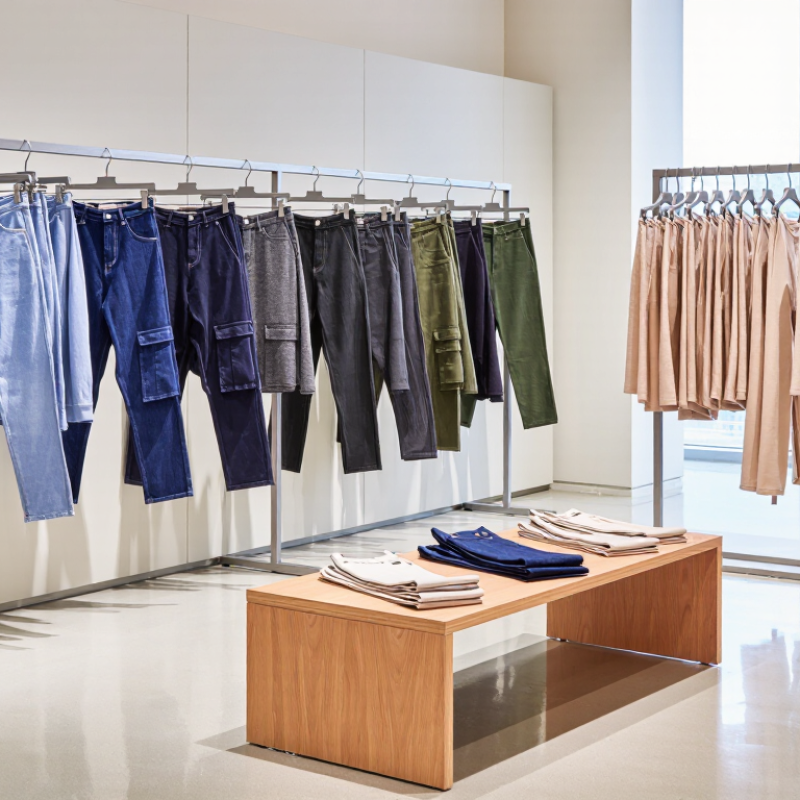
What Defines a Reliable China Baggy Pants Manufacturer
China Top Baggy Pants Manufacturers for Global Buyers
What Defines a Reliable China Baggy Pants Manufacturer
A reliable manufacturer proves capability through details, not attractive catalog photos. Textile Exchange’s Materials Market Report 2024 records 124 million tonnes of global fiber production in 2023. This scale makes material traceability essential. A serious factory should identify fiber content, fabric weight, dyeing location, and shrinkage results. Ask for recent test reports and production samples. One sample is never enough.
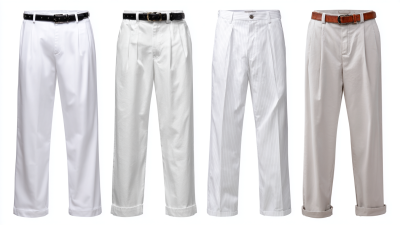
Consistency matters more than speed. Experienced factories keep approved patterns, graded size charts, and measurement records for every production batch. For baggy pants, check the rise, hip ease, inseam, pocket depth, and waistband recovery. A two-centimeter error can change the silhouette noticeably. Quality teams should use documented inspection procedures, including recognized statistical sampling methods. The International Labour Organization reports that the garment sector supports over 60 million jobs worldwide, reminding buyers that workforce management also reflects supplier reliability.
Communication reveals practical experience. Reliable teams explain fabric substitutions before cutting begins. They disclose minimum order quantities, realistic lead times, and possible production limits. McKinsey’s State of Fashion 2025 describes a cautious, low-growth market, so inflated promises deserve scrutiny. I would still request a small trial order. It may expose weak stitching, uneven washing, or poor packing. That inconvenience is useful. A factory can appear professional and still lack stable subcontractor control. Confirm who handles cutting, sewing, washing, inspection, and final packing before signing a purchase agreement.
Major Baggy Pants Manufacturing Regions and Factory Capabilities
China’s baggy pants supply chain is concentrated in several complementary regions. Guangdong offers fast sampling, flexible small-batch production, and strong garment-trimming networks. Zhejiang is known for woven trousers, fabric sourcing, and efficient private-label manufacturing. Jiangsu supports larger orders, structured quality systems, and advanced finishing lines. Fujian adds sportswear expertise, while Shandong remains important for cotton textiles and denim-related materials.
The WTO World Trade Statistical Review 2024 identifies China as the leading global exporter of clothing. This position reflects deep supplier networks, not only low production costs. In Guangdong factories, pattern teams can adjust a wide-leg silhouette within days. Zhejiang facilities often coordinate fabric, cutting, sewing, washing, and packing nearby. Many factories now use digital pattern systems, automated spreading machines, and inline measurement checks. These details reduce fabric waste and help control inconsistent leg volume.
Factory capability still varies sharply. A modern showroom can hide an older sewing floor. Buyers should request recent audit records, production photos, fabric test reports, and a live sample review. The Textile Exchange Materials Market Report 2024 highlights growing attention to material traceability and recycled fibers, but implementation is uneven. Some suppliers can offer certified inputs; others only provide verbal claims. No region is perfect. Delivery speed may weaken when factories depend on outside washing plants or seasonal labor. Careful buyers should compare the complete process, not just the quotation.
How Global Buyers Can Evaluate Chinese Suppliers
Global buyers should evaluate Chinese baggy pants manufacturers through evidence, not polished online photos. Request a registered company profile, factory address, production capacity, and recent export experience. A video tour helps, but an independent audit gives stronger confidence. Check cutting tables, sewing lines, pressing areas, and finished-goods storage. Small details reveal process discipline.
Order samples before discussing large quantities. Measure waistband recovery, pocket depth, seam strength, fabric weight, and shrinkage after washing. Try the pants through sitting, walking, and repeated folding. A sample may look excellent but fail after use. Ask whether the sample was made by the normal production team. Sometimes, it is not.
Review fabric test reports, needle-control procedures, inspection records, and packaging methods. Confirm the factory can follow your size chart and provide clear pre-production approvals. Discuss minimum order quantities, production lead times, payment stages, and correction procedures in writing. Communication matters. Replies should be specific, not merely “no problem.” I have found that delayed answers often predict delayed decisions later. Still, a slow reply does not always mean poor production; time zones, translation, and workload can interfere. Compare several suppliers using the same checklist. Then judge consistency, transparency, and willingness to correct small mistakes before they become expensive problems.
Quality Control, Pricing, Minimum Orders, and Export Support
Global buyers comparing China’s top baggy pants manufacturers should inspect more than catalog photos.
Reliable factories explain fabric weight, fiber content, shrinkage, colorfastness, and stitching standards before sampling. Ask for a measurement chart covering waist, rise, thigh, and hem tolerances. A practical quality process includes pre-production samples, inline inspections, and final random checks. Request photos of carton packing and measurement reports. Small details matter.
Pricing should separate fabric, sewing, trims, packaging, and shipping terms.
A lower quote may exclude testing, labeling, or special folding. Compare like-for-like. Minimum orders often vary by color, size range, and fabric reservation. Smaller trial orders may cost more per unit but reduce inventory risk. Confirm payment schedules, production dates, ports, carton marks, and export documents in writing. Export support should include commercial invoices, packing lists, and clear communication. Destination requirements can differ, so verify them with qualified customs professionals.
Tips:
Send a complete tech pack with sketches and measurements. Keep one approved sample for comparison. Consider independent inspection before shipment. Do not assume an attractive factory page proves consistent production. A small seam issue can become expensive. Regular updates help, although communication is not always perfect. Build time for corrections.