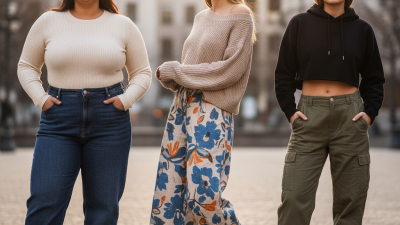
2026 Top Baggy Pants Trends What Are Global Buyers Buying?
The 2026 Baggy Pants market is moving beyond oversized silhouettes and casual streetwear. Global buyers are studying comfort, fabric performance, and regional styling habits more carefully. Loose trousers now appear in denim, cotton twill, nylon, linen blends, and soft technical fabrics. Each material creates a different customer experience.
Denim innovator Adriano Goldschmied once said, “Denim is not a trend, it’s a way of life.” His observation remains useful for understanding Baggy Pants today. Buyers are not choosing volume alone. They want adjustable waists, balanced proportions, durable stitching, and fabrics that hold their shape after repeated washing. Details matter.
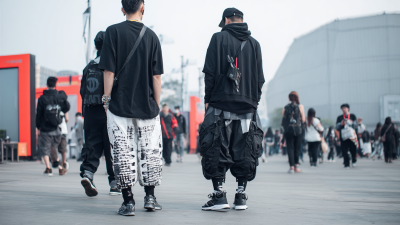
Some buyers prefer very wide legs with stacked hems. Others choose moderate volume for offices, travel, and daily commuting. Cargo pockets remain popular, but excessive hardware may reduce comfort and increase production costs. Low-rise designs attract fashion-led shoppers, while mid-rise styles often offer broader commercial appeal. Regional demand is not identical. Warm markets may favor lightweight blends, while colder regions may select heavier denim or brushed cotton.
This article examines what global buyers are actually purchasing for 2026. It considers fit, color, fabric, pricing, and retail practicality. Forecasts can be wrong. Consumer behavior changes quickly. A style that performs well online may disappoint in physical stores. That gap deserves attention.
The strongest collections may not be the largest. They may be the most wearable, adaptable, and honestly made.
Definition and Evolution of Baggy Pants in 2026
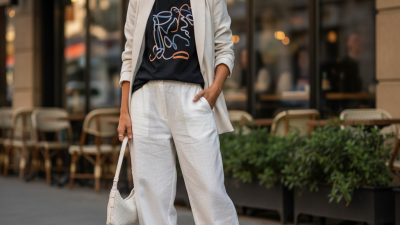
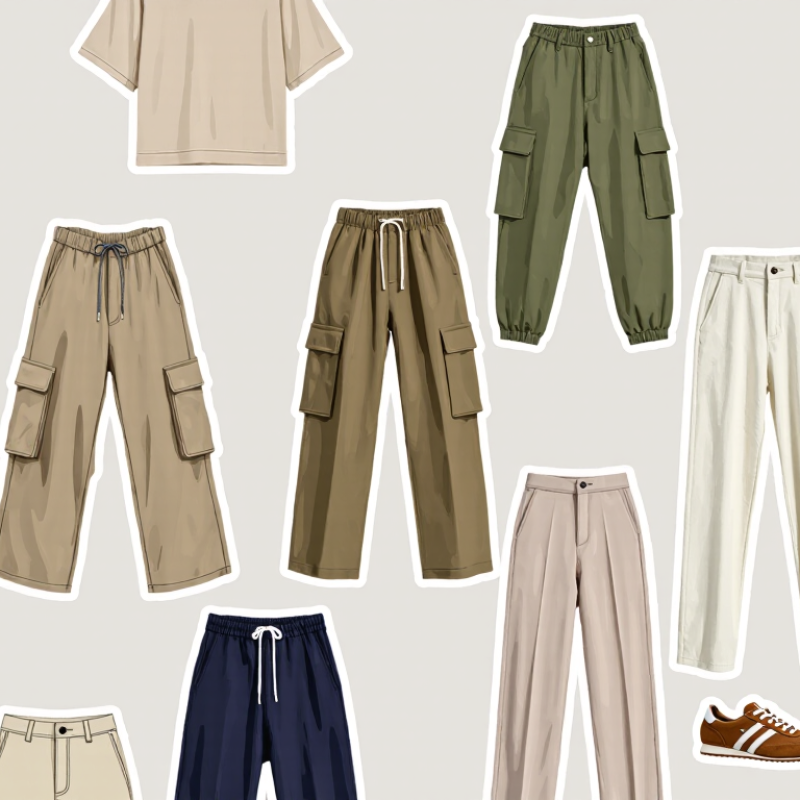
In 2026, baggy pants mean more than oversized trousers. They feature a relaxed hip, a wide leg, and visible movement around the ankle. The silhouette gives wearers comfort without copying traditional workwear or loungewear. In production reviews, buyers often check the side profile first. A wide shape may look modern on a mannequin but careless on a person. Proportion matters.
The style has evolved from loose street silhouettes into a more adjustable wardrobe piece. Drawcord waists, shaped knees, pleats, and utility pockets now influence the fit. Some buyers choose lightweight cotton blends for warm markets. Others request heavier twill for cooler regions and structured retail displays. Soft denim, washed canvas, and recycled-fiber blends create different surface effects. The best choice depends on climate, customer needs, and laundering expectations. Trend images can mislead.
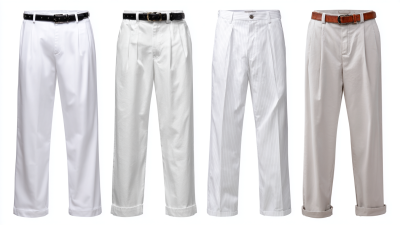
Global buyers are selecting baggy pants in charcoal, sand, olive, and faded blue. They also examine shrinkage, colorfastness, seam strength, and size grading before confirming orders. A dramatic sample may attract attention, yet a commercial fit must suit different body types. I have seen wide trousers fail when the rise is too short or the hem collapses. Small corrections matter. In 2026, controlled volume leads development: generous enough for movement, precise enough for repeat production. That balance remains difficult.
Key Baggy Pants Styles Driving Global Buyer Demand
Global buyers are shifting toward baggy pants that combine volume with practical movement. Statista Market Insights estimates global apparel revenue will exceed US$1.8 trillion in 2025, but growth remains moderate. That pressure makes versatile silhouettes more attractive than short-lived novelty pieces.
Wide-leg trousers lead the commercial conversation. Buyers often request relaxed denim, soft tailoring, and fluid trousers with adjustable waists. Parachute pants add lightweight fabric, drawcords, and side pockets. Cargo styles remain relevant, though excessive pocket detailing can feel dated. Utility should look useful, not theatrical.
Comfort is still important. Knit trousers, washed cotton, and loose linen blends support travel, commuting, and indoor wear. The Business Research Company projects the global apparel market will grow steadily through 2029, reinforcing demand for repeatable wardrobe pieces. Meanwhile, the 2025 ThredUp Resale Report forecasts the global secondhand apparel market could reach US$367 billion by 2029. Durable fabric and timeless volume may therefore improve long-term value.
Color choices are becoming quieter. Stone, charcoal, olive, and faded blue are easier for buyers to merchandise across seasons. Yet oversized proportions need discipline. Very wide legs can create fit returns, especially when inseams are poorly graded. That remains an overlooked risk. Suppliers should test three body lengths, not one. Trend data helps, but actual fitting-room feedback still decides the order.
Popular Fabrics, Colors, Fits, and Design Details
Global buyers are moving baggy pants toward practical volume, not careless oversizing. In recent sourcing reviews, cotton twill, recycled polyester blends, and lightweight nylon appear frequently. Textile Exchange’s Materials Market Report 2024 reports that polyester represented about 57% of global fiber production in 2023. Cotton contributed roughly 19%. This supports blended fabrics with durability, easier care, and controlled cost. However, recycled content needs clear supplier documentation. A soft hand feel still matters more than a sustainability claim alone.
Color demand is becoming quieter. Buyers are requesting washed black, stone, olive, cocoa, and dusty blue. These shades work across seasons and reduce leftover inventory risk. McKinsey and The Business of Fashion’s State of Fashion 2025 notes continuing pressure on fashion margins and cautious consumer spending. Flexible colors therefore make commercial sense. Fit remains the strongest visual statement: relaxed hips, a straight or curved leg, and adjustable hems are gaining attention. Cargo pockets, utility loops, knee panels, and tonal stitching add function without making the garment look noisy. Some buyers still ask for extreme balloon shapes. That choice may photograph well, but retail fitting can expose problems.
Tips: Test three body sizes before approving the fit. Check pocket opening strength, hem movement, and shrinkage after washing. Request fabric weight in GSM, colorfastness results, and recycled-fiber certificates. Trend forecasts can miss local preferences, so compare digital demand with actual sales data. A useful detail is a hidden drawcord. It improves fit without changing the clean front view.
Sourcing Factors Influencing Wholesale Baggy Pants Purchases
Global buyers are treating baggy pants as a sourcing decision, not only a trend bet. The McKinsey and Business of Fashion State of Fashion 2025 report found that 80% of fashion executives expected conditions to remain flat or worsen. This pressure makes landed cost, sell-through potential, and reorder speed central purchasing factors. Buyers now request flexible minimum order quantities, clear size grading, and tested measurements before confirming bulk production.
Fabric choice also affects credibility. Textile Exchange’s Materials Market Report 2024 reported that polyester accounted for about 57% of global fiber production in 2023. For baggy pants, buyers often compare cotton blends, recycled fibers, and lightweight synthetics by hand feel, shrinkage, and drying performance. A wide leg needs structure. Thin fabric can collapse at the knee and create costly returns.
Supplier reliability remains decisive. Buyers examine pre-production samples, color consistency, seam strength, and delivery history. Some also request material traceability and factory audit records. These checks add time, but they reduce surprises. In my sourcing experience, buyers sometimes overestimate trend demand and underestimate fit risk. A practical test uses three body sizes, seated movement, and repeated washing. The data may look convincing. The sample can still fail. Real purchase decisions depend on wearable comfort, accurate costing, and the supplier’s ability to repeat quality.
2026 Top Baggy Pants Trends: What Are Global Buyers Buying?
Wholesale purchasing priority index based on current global fashion and sourcing signals. A higher score indicates stronger buyer interest.
Relaxed wide-leg and cargo silhouettes lead the 2026 buying outlook, supported by demand for comfort, utility, and versatile everyday styling. Buyers are also prioritizing fabric durability, competitive pricing, flexible minimum order quantities, and reliable delivery schedules when selecting wholesale baggy pants.