2026 How to Supply T Shirts Effectively for Your Business?
In the competitive world of fashion, knowing how to supply T shirts effectively can make a significant difference in your business. T shirts are versatile, affordable, and popular. They cater to various demographics, making them an excellent choice for entrepreneurs. However, the process is not without challenges. Finding the right suppliers and managing inventory can be overwhelming.
Consider your target audience. Are they looking for something trendy or classic? Quality is crucial. Poor-quality T shirts can harm your brand's reputation. Invest time in sourcing reliable materials. Explore local and international suppliers. This decision impacts pricing and delivery time.
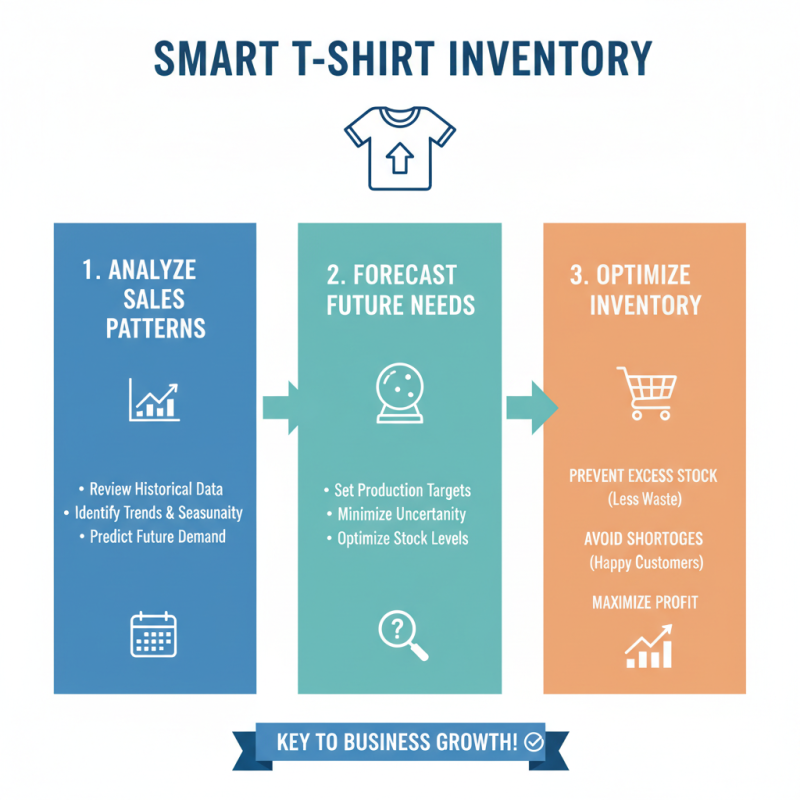
Another area for reflection is marketing. How do you present your T shirts to potential customers? Visuals play a major role. High-quality photos can attract attention. However, don't overlook the importance of a compelling story behind your brand. Balancing supply and demand is key. Remember, supplying T shirts must align with your business vision and customer needs.

Identifying Your Target Market for T Shirt Supply Needs
Identifying your target market for t-shirt supply needs is crucial for business success. Research shows that 43% of consumers expect custom t-shirts to meet their specific style preferences. This insight highlights the importance of understanding your audience. Diverse demographics affect design choices, colors, and fabrics. For example, younger audiences may prefer trendy styles, while older consumers might lean towards classic designs.
Tips: Surveys and social media polls can help you gather direct feedback. Use these platforms to ask potential customers about their preferences. Tailor your offerings based on the gathered data to increase engagement.
Moreover, recognizing seasonal trends is essential. Around 60% of apparel purchases occur during specific times, like summer or holidays. Your business can capitalize on these peak seasons by preparing themed designs in advance. Evaluate how competitors are positioning themselves during these times. Do they miss a specific niche? Identifying gaps can give you a valuable edge.
Tips: Create a calendar highlighting key dates for your market. This will help you stay proactive in your supply strategy. Remember, continuous market research can unveil new opportunities or highlight unmet needs. Balance your collection by combining classic staples with unique designs to cater to diverse tastes.
2026 T-Shirt Supply Needs by Target Market
This bar chart illustrates the supply demand for T-shirts across various target markets in 2026. It showcases the number of units needed, helping businesses identify where to focus their supply efforts effectively.
Researching Trends and Styles in the T Shirt Industry
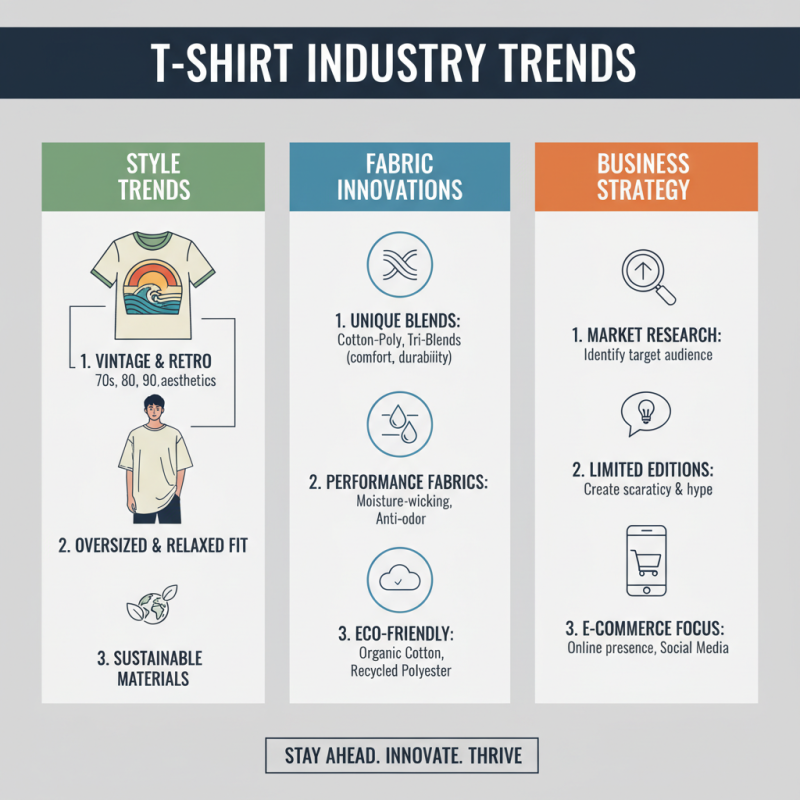
Researching trends and styles in the T-shirt industry is crucial for any business looking to thrive. Keeping an eye on current fashion trends can help you decide which designs to produce. For instance, vintage styles have surged in popularity recently. Incorporating retro graphics could resonate with a broader audience. Think about experimenting with unique fabric blends to enhance comfort and durability.
In addition to styles, consumer preferences change often. Sustainability is now a primary concern for many buyers. Using eco-friendly materials can attract a more conscious customer base. However, sourcing such materials can pose challenges. It may require more time and research, impacting production timelines. Balancing quality and sustainability is a task that demands reflection. Collaborate with suppliers who are committed to responsible practices.
Engaging with your target audience is also essential. Creating polls and surveys about design preferences can yield valuable insights. Try selling limited editions or custom designs, as exclusivity can allure customers. However, overcommitting to one trend without analysis may lead to unsold inventory. It’s crucial to adapt and pivot when necessary. Always keep your ear to the ground to remain relevant in this dynamic market.
Sourcing Quality Materials and Manufacturers for T Shirts
When sourcing quality materials and manufacturers for T-shirts, it's crucial to prioritize fabric quality. According to a report by Market Research Future, the global demand for sustainable fabrics is projected to grow by 9% annually. Cotton remains a popular choice, but alternatives like bamboo and recycled polyester are gaining traction. Consider the environmental impact of each material; consumers increasingly prefer eco-friendly options.
Finding reliable manufacturers is another challenge. A survey by Statista revealed that 52% of small businesses struggle with supplier reliability. Take time to research potential partners. Look for manufacturers with a transparent supply chain. Ask about their quality control processes. Visiting factories, if possible, can provide insights that emails can’t.
Sometimes, negotiations don't go as planned. Quality may be compromised for cost, leading to poor customer satisfaction. Documentation and clear communication can help mitigate these issues. A test run of a small batch often reveals the manufacturer’s true capabilities before placing larger orders. Always evaluate the potential risks. Reflect on past partnerships to cultivate better sourcing strategies in the future.
Developing Effective Marketing Strategies for T Shirts
When developing effective marketing strategies for T-shirts, it’s crucial to understand your target audience. A recent survey by Statista shows that around 55% of consumers prefer customizable clothing options. This is a key insight. Offering personalized T-shirts can attract more customers. Engaging with this demographic can enhance brand loyalty. Focus on the experience your customers want.
Social media is a powerful tool for promoting T-shirts. According to Hootsuite, brands that actively engage on social platforms enjoy 70% higher customer engagement. Create visually appealing content and use influencer collaborations. Engaging visuals can capture attention and convey your brand’s identity. Authenticity is vital; consumers value genuine connections over mere promotional messages.
However, not all strategies will yield success. Market trends can shift unexpectedly. What worked last season may not apply now. Continuous analysis is necessary. Regularly assess the effectiveness of your campaigns. Adjust based on customer feedback and sales performance. Remember, agility can often be the difference between success and stagnation in this fast-paced market.