Why Choose T Shirt Manufacturing for Your Business Needs?
T Shirt Manufacturing has emerged as a vital component for businesses seeking to enhance their brand visibility. Custom t-shirts allow companies to express their unique identity. These products serve multiple purposes, from promotional tools to uniform solutions.
In a competitive market, choosing the right manufacturing partner is crucial. Quality matters. A reliable manufacturer can ensure durability and comfort. Investing in this sector boosts brand recognition. The right fabric and print techniques can create lasting impressions.
However, not all t-shirt producers offer the same level of service. Researching potential partners is essential. Some may compromise on quality to cut costs. This can lead to dissatisfaction and damage your brand's reputation. Overall, T Shirt Manufacturing offers significant benefits, but careful selection is key.
Benefits of Custom T-Shirt Manufacturing for Businesses
Custom T-shirt manufacturing offers numerous advantages for businesses. According to a report by MarketResearchFuture, the global custom T-shirt printing market is expected to grow at a CAGR of 9.8% from 2021 to 2026. This growth indicates a rising demand for unique apparel options among consumers. Businesses can tap into this trend to enhance brand visibility. When companies showcase custom designs, they can make a lasting impression on customers.
Tailored T-shirts create a stronger emotional connection. Custom designs resonate with target audiences. A survey by Statista revealed that 62% of consumers feel more loyal to brands that personalize their products. This loyalty can result in increased sales and repeat business. However, it is essential to ensure the quality of the T-shirts meets customer expectations. Poor quality can damage a brand’s reputation.
Moreover, custom T-shirt manufacturing allows for flexible design options. Businesses can adjust their T-shirt styles based on current trends and consumer preferences. Yet, this adaptability requires constant market research. Ignoring feedback may lead to missed opportunities. Collaborating closely with manufacturers can help refine designs, ensuring they align with customer demands. The focus should remain on creating products that not only sell but also build a community around the brand.
Understanding the T-Shirt Production Process and Techniques
In the T-shirt production process, understanding techniques is crucial for businesses. The journey begins with fabric selection. Cotton, polyester, or blends offer different textures and qualities. Each fabric choice significantly impacts comfort and durability.
Next, the design phase utilizes software to create artwork. This stage allows for creativity but can also lead to challenges. Colors and styles must reflect the brand's identity. Misalignment here may confuse potential customers or weaken brand recognition.
Printing processes come next. Methods like screen printing or direct-to-garment provide varied outcomes. Screen printing is vivid but can be time-consuming. Digital printing is faster but may lack vibrancy. Each choice affects production speed and cost. A balance between quality and efficiency needs careful thought.
Market Trends Influencing T-Shirt Manufacturing Choices
As market dynamics shift, businesses must adapt their manufacturing strategies, especially in the T-shirt sector. According to a recent report from Market Research Future (2023), the global custom T-shirt printing market is projected to surpass $3 billion by 2027. This significant growth reflects rising consumer demand for personalized apparel. Companies are increasingly focusing on unique designs, sustainable materials, and ethical production practices to meet this demand.
Additionally, eco-conscious trends are shaping T-shirt manufacturing choices. A study by Statista highlighted that 66% of consumers prefer brands that prioritize sustainability. This statistic underscores the importance of sourcing organic cotton and utilizing water-saving technologies. Moreover, fast fashion's environmental impact has prompted brands to rethink their practices. Traditional manufacturing may lag behind in this area, making on-demand and local production more appealing.
The competition in the T-shirt market is fierce. It requires constant innovation to stay relevant. Businesses must continually assess their supply chains and production methods. Some companies struggle to balance cost efficiency with quality and sustainability. This creates opportunities for those willing to invest in better practices. However, without careful planning, the shift toward sustainable options can lead to increased production costs. Companies need to find the right balance in their strategies.
Market Trends Influencing T-Shirt Manufacturing Choices
Cost-Effectiveness of T-Shirt Manufacturing for Startups
In the world of startups, cost-effectiveness is crucial. T-shirt manufacturing emerges as an excellent choice. The low production costs can help businesses maintain a healthy budget. Startups can order in bulk, reducing the per-unit price significantly. This approach provides flexibility for creating unique designs without risking large investments.
Additionally, many manufacturers offer printed samples. This allows businesses to test designs before committing to larger orders. However, not all manufacturers provide high-quality fabrics. Startups should research various options and seek reliable partners. Some might face challenges with production timelines, which can impact brand launch dates. Startups must weigh the risks of delays against the benefits of affordable pricing strategically.
Moreover, marketing strategies often include custom-branded apparel. T-shirts serve as a cost-effective way to promote a brand. They gain visibility when worn by customers, expanding reach. However, it's important to focus on quality. Poorly made shirts can harm a brand's reputation. Startups should take time to find the right balance between cost and quality to uphold their image.
Design Flexibility and Branding Opportunities with T-Shirts
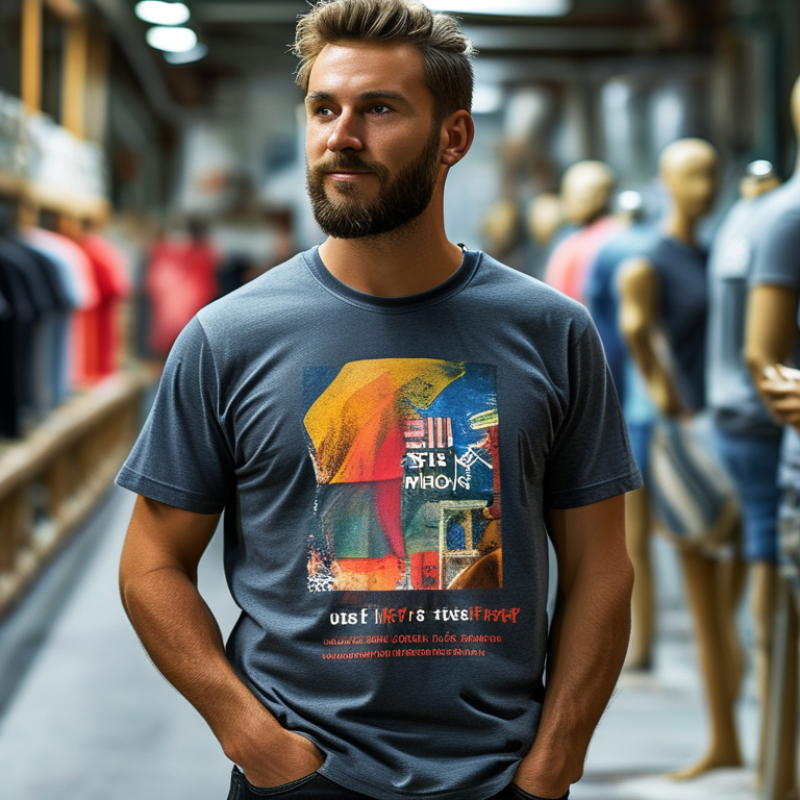
T-shirts offer incredible design flexibility, making them a prime choice for businesses. Brands can showcase their identity through custom graphics, colors, and styles. This versatility caters to various audiences, from casual wearers to fashion enthusiasts. You can opt for screen printing, embroidery, or even direct-to-garment methods. Each technique brings unique textures and finishes. This diversity enriches the design process and invites creativity.
Branding opportunities are abundant with T-shirts. They serve as a blank canvas for your message. A well-designed T-shirt can turn heads and spark conversations. Consider integrating your logo or a catchy slogan. Alternatively, you might choose unique illustrations that resonate with your target demographic. Engaging designs can foster a sense of community. However, it's crucial to balance creativity with clarity. Sometimes, overcomplicating a design can muddle your message.
While T-shirts are effective, they’re not without challenges. Trends fade quickly, so staying relevant takes effort. Monitoring customer preferences is essential. Not every design will hit the mark. Gathering feedback is vital. Adjusting your approach based on insights can enhance your branding efforts. T-shirt manufacturing is a promising venture, but it requires keen attention to detail and a willingness to adapt.