What Is Chinese Traditional Dress for Global Buyers? The answer begins with context, not costume imagery. Chinese traditional dress includes Hanfu, Qipao, and regional garments shaped by dynasty, climate, craft, and ceremony. A buyer may notice a standing collar, frog buttons, woven silk, or a wide sleeve. Each detail can carry cultural meaning. It is not simply “Asian fashion.”
Market signals show why this subject deserves careful explanation. China’s National Bureau of Statistics reported that online retail sales of physical goods reached RMB 13.02 trillion in 2023, increasing 8.3% year on year. This growth makes digital access important for overseas buyers. However, online visibility does not guarantee cultural accuracy. The McKinsey State of Fashion reports repeatedly identify cultural relevance and responsible storytelling as important influences in global fashion. DHL’s 2024 E-Commerce Trends Report also highlights delivery clarity, product information, and returns as key cross-border concerns. These findings matter when buyers compare fabric, sizing, care instructions, and supplier credibility.
Some shoppers search for “Chin Traditional Dress,” although the accepted phrase is usually “Chinese Traditional Dress.” That small error reveals a wider challenge: global customers need clear language before making a purchase. Reliable sourcing should explain fiber content, manufacturing location, historical references, and suitable occasions. Photos should show sleeve length, lining, closures, and scale on a real person. Certification claims need verification. Cultural claims need evidence.
There is no perfect universal definition. Styles are often modern interpretations, not museum replicas. That difference deserves honesty. A responsible guide helps buyers appreciate beauty while avoiding careless generalizations, misleading “authentic” labels, and unsuitable ceremonial use.
Chinese traditional dress is not one fixed outfit. It describes clothing shaped by different periods, regions, social roles, and ethnic communities.
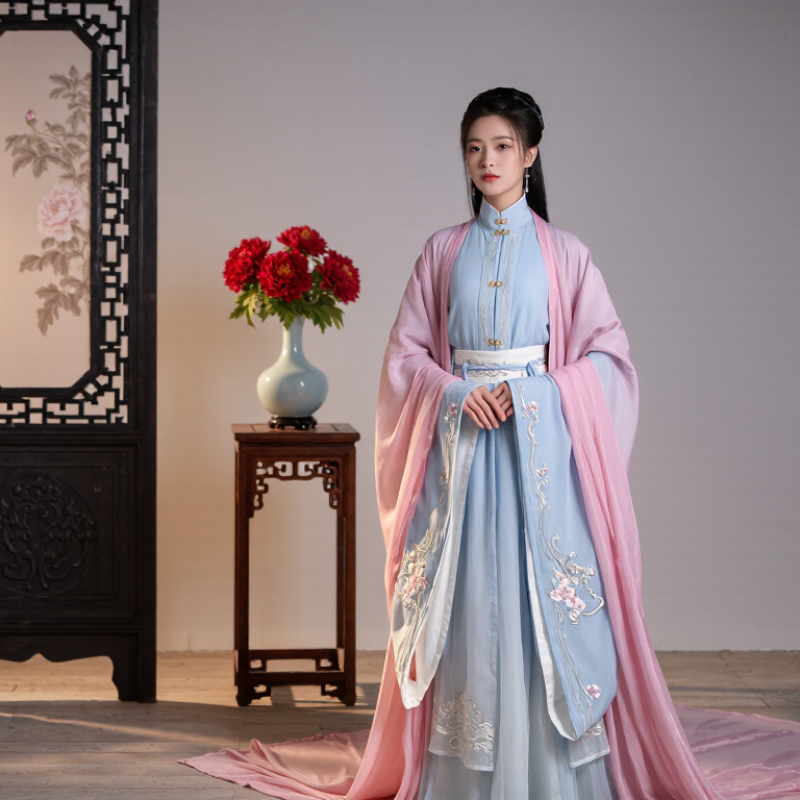
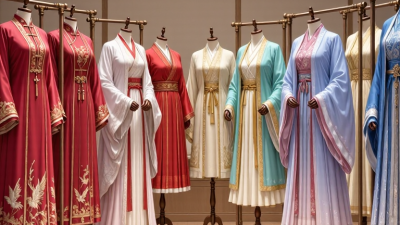
Hanfu often refers to historical Han clothing, with layered robes, wide sleeves, and crossing collars. Qipao developed from later Chinese fashion and usually features a fitted shape, a standing collar, and side openings. These examples are related, but they should not be treated as identical.
Cultural details Clothing carries cultural meaning through details. A silk sleeve can suggest refinement, while a high collar may express formality and restraint. Embroidered flowers, clouds, birds, or water patterns can reflect wishes for harmony, longevity, or prosperity. Meanings are not universal, though. Red may suggest celebration in one setting, but color choices can change with age, region, and ceremony. Context matters greatly.
For global buyers, material and construction deserve careful attention.
A handmade-looking finish does not always prove historical accuracy. Check the fiber content, lining, seam quality, closure method, and size measurements. Natural silk feels different from synthetic satin, especially under light.
Some modern garments borrow traditional elements for festivals, photography, or stage use. That does not make them worthless, but calling every decorative robe “ancient Chinese clothing” creates confusion.
A respectful choice asks what period or community inspired the design. It also accepts that modern interpretation is sometimes imperfect. That honesty is better than pretending one garment represents all of China.
Chinese traditional dress is not one fixed costume. It is a record of changing societies, climates, and trade routes. During the Han dynasty, cross-collar robes and wide sleeves reflected established ritual systems. Tang clothing became more open to Central Asian influences, especially in silhouettes, fabrics, and riding garments. Song dress favored restrained lines and lighter layering. Ming clothing emphasized structured collars, woven motifs, and social rank. Qing styles introduced Manchu elements, including fitted robes and distinctive closures.
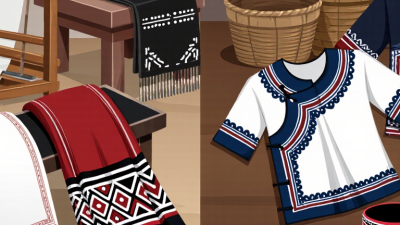
Regional history matters just as much. Jiangnan developed fine silk traditions through its humid climate and dense weaving networks. Northern communities used heavier cotton, wool, and layered garments for colder conditions. Southwestern groups preserved complex embroidery, silver ornaments, and symbolic patterns. These details are not merely decorative. They can indicate marriage, age, occupation, or local identity. A simple dynasty-to-dynasty timeline is useful, but incomplete.
Global buyers should also recognize changing terminology. “Hanfu” describes several historical and revival styles, while qipao developed mainly through modern urban transformation rather than one ancient dynasty. According to the WTO World Trade Statistical Review 2024, China accounted for approximately 31% of global clothing exports in 2023, showing the country’s continuing textile manufacturing influence. The State of Fashion 2025 report by McKinsey and The Business of Fashion highlights slower fashion growth and stronger demand for value and differentiation. That makes fabric origin, construction, sizing, and cultural explanation increasingly important. Mistakes happen. Treating every embroidered robe as “imperial” weakens credibility.
What Is Chinese Traditional Dress for Global Buyers?
Chinese traditional dress includes several garments, fabrics, patterns, and symbolic details. Hanfu often features crossed collars, flowing sleeves, and layered construction. The qipao is a close-fitting dress with a high collar and side slits. Changshan offers a longer, straighter silhouette, usually worn with matching trousers. These styles differ by period, region, and social setting, so one design cannot represent all Chinese clothing.
Silk remains valued for its smooth touch and natural sheen. Cotton and linen provide better breathability for everyday use. Brocade adds woven texture, while embroidery creates raised images that catch light. Common patterns include peonies, clouds, waves, cranes, and dragons. Their meanings can suggest prosperity, harmony, longevity, or authority. However, symbolism changes across regions and occasions. Color meanings also require care. Red may suggest joy, yet it can feel unsuitable in some formal contexts.
Tips: Global buyers should request fabric composition, lining details, garment measurements, and care instructions. Check sleeve width and collar placement, not only chest size. Sample inspection matters. A beautiful photograph can hide uneven stitching or uncomfortable fabric. I have found that natural fibers often need careful storage and gentle cleaning. Machine washing may distort shape or embroidery. Buyers should also ask whether patterns are printed, woven, or hand-embroidered. That difference affects durability, price, and authenticity. Perfect tradition is difficult to define. Respectful sourcing requires clear documentation and honest product descriptions.
A practical reference table for identifying major Chinese traditional and traditional-inspired garments, materials, decorative motifs, and cultural meanings.
| Garment | Historical or Cultural Context | Typical Silhouette and Construction | Common Fabrics | Representative Patterns and Colors | Symbolic or Practical Features | Buyer Considerations |
|---|---|---|---|---|---|---|
| Qipao (Cheongsam) | Developed in its modern form in Shanghai during the 1920s and 1930s. It is associated with urban Chinese fashion and formal occasions. | Usually a close-fitting, one-piece dress with a high standing collar, side openings, front diagonal fastening, and optional short or long sleeves. | Silk, brocade, jacquard, velvet, satin, cotton, linen, and blended fabrics. | Floral designs, peonies, plum blossoms, birds, geometric prints, and solid colors such as red, blue, black, and jade green. | The standing collar and frog closures are recognizable features. Side openings may be decorative or functional, depending on the cut and length. | Check bust, waist, hip, shoulder, and armhole measurements carefully. A fitted qipao generally requires more precise sizing than a loose robe. |
| Hanfu | A broad modern term for clothing inspired by historical Han Chinese dress traditions from different dynastic periods. Styles vary significantly by period and region. | Often includes overlapping front panels, wide sleeves, separate upper and lower garments, long skirts, belts, or cross-collar robes. | Silk, ramie, linen, cotton, wool, brocade, gauze, and modern polyester blends. | Clouds, flowers, waves, bamboo, cranes, dragons, and restrained or layered color combinations. | Cross-collar construction and right-over-left closure are common in historical-inspired designs, although contemporary versions may adapt these details. | Ask which historical period or style the product references. Layering, sleeve width, and garment length affect shipping volume and use requirements. |
| Ruqun (Upper Garment and Skirt) | A traditional Han Chinese clothing combination consisting of a short upper garment and a skirt. It is frequently represented in modern Hanfu collections. | Typically features a cross-collar top paired with a high-waisted, wrap, pleated, or panelled skirt. A sash may define the waist. | Silk, cotton, chiffon, linen, brocade, satin, and lightweight synthetic fabrics. | Floral borders, cloud bands, water motifs, embroidery, pastel tones, and historically inspired deep reds, greens, blues, and yellows. | The layered arrangement creates a flowing vertical line. Waist sashes and long ribbons can be decorative as well as functional. | Confirm whether the top and skirt are sold as a set. Check skirt closure type, waist range, lining, and the transparency of lightweight fabrics. |
| Aoqun | A traditional-style combination of an upper jacket or ao with a skirt. It appears in historical clothing research, stage costumes, and contemporary traditional-inspired wear. | Usually combines a structured or semi-fitted jacket with a separate skirt. The jacket may have a standing collar, decorative fastening, or contrasting trim. | Cotton, silk, brocade, jacquard, linen, velvet, and blended textiles. | Floral embroidery, auspicious animals, geometric borders, and coordinated two-tone or multi-layered color schemes. | Decorative edging, frog buttons, and skirt pleats can indicate the intended period reference, although modern designs may combine elements from several periods. | Review the garment as separate components when assessing fit. Structured jackets may have less ease than the skirt and may require different size measurements. |
| Changshan | A long robe traditionally associated with menswear and formal dress, especially in late Qing and Republican-era contexts. | Long, relatively straight robe with a high collar, side openings, long sleeves, and a front or diagonal fastening system. | Silk, wool, cotton, linen, brocade, satin, and wool-blend suiting fabrics. | Solid dark colors, subtle woven patterns, geometric motifs, dragons, clouds, and formal decorative borders. | The long line and side openings support ease of movement. High collars and fabric-covered buttons are common visual details. | Measure shoulder width, chest, sleeve length, robe length, and collar comfort. Longer garments may need alteration for different heights. |
| Magua | A short jacket associated with Qing-era clothing and later traditional-style menswear. It is often worn over a long robe or coordinated outfit. | Short, loose jacket with a relatively straight body, wide sleeves, and front fastening. Some modern versions are more tailored. | Silk, brocade, satin, cotton, velvet, and polyester jacquard. | Dragons, bats, clouds, longevity characters, medallions, and auspicious geometric designs; red, gold, navy, and black are common formal colors. | Its shorter length makes it suitable for layering. Decorative closures and woven motifs often carry more visual emphasis than the basic cut. | Confirm whether it is designed as a standalone jacket or as an outer layer. Check sleeve width and compatibility with the undergarment. |
| Tangzhuang | A modern Chinese-style jacket category that became widely recognized internationally in the late twentieth century. It is inspired by traditional jacket features rather than one single historical garment. | Usually a straight or slightly fitted jacket with a stand collar, front frog closures, and either set-in or raglan-style sleeves. | Silk, brocade, jacquard, cotton, linen, wool, satin, and synthetic blends. | Clouds, dragons, flowers, abstract patterns, plain colors, and woven tonal designs. | Mandarin-style collar and frog buttons provide the strongest visual identity. Modern versions may include zippers, pockets, or Western tailoring. | Ask for fiber composition and lining details. Decorative brocade can be delicate, while heavier fabrics may feel warm or restrictive in indoor settings. |
| Chinese-Style Embroidered Jacket | A contemporary category influenced by regional embroidery, folk clothing, opera costumes, and traditional ceremonial textiles. | May be cropped, waist-length, or hip-length, with a relaxed body, stand collar, frog closures, or contrast piping. | Cotton, silk, linen, velvet, rayon, polyester, and mixed fabrics. | Peonies, birds, butterflies, cranes, landscapes, flowers, and symbolic characters. Color palettes range from natural tones to vivid red and gold. | Embroidery may be hand-worked or machine-made. Motif placement and stitch density strongly influence appearance and cost. | Request close-up images or specifications for embroidery quality, backing, thread security, washing method, and colorfastness. |
| Chinese Opera-Inspired Costume | Inspired by stage costumes used in Chinese opera traditions, including Peking Opera. These garments are theatrical rather than everyday clothing. | Often features flowing sleeves, layered robes, structured shoulders, decorative cuffs, sashes, and highly visible surface ornamentation. | Satin, silk, brocade, synthetic satin, velvet, and metallic-effect textiles. | Dragons, phoenixes, clouds, water, waves, bold contrasting colors, metallic trim, and dense embroidery. | Colors, motifs, headwear, and accessories may communicate character type, rank, or role within a specific performance tradition. | Clarify whether the item is intended for performance, display, photography, or general wear. Stage costumes may be heavier and less comfortable for daily use. |
| Miao- and Dong-Inspired Ethnic-Style Dress | Inspired by clothing traditions from ethnic communities in southwestern China. Authentic regional styles differ in construction, textile technique, and symbolism. | May include fitted or loose jackets, pleated skirts, aprons, sashes, silver ornaments, and layered textile panels. | Handwoven cotton, hemp, silk, wool, indigo-dyed cloth, batik, and commercially produced substitutes. | Geometric embroidery, butterflies, birds, plants, river-like forms, indigo, red, black, white, and metallic silver details. | Embroidery, batik, pleating, and silver adornment can express regional identity and craft heritage. Meanings vary by community and design. | Use precise wording such as “inspired by” unless provenance and community origin are documented. Ask whether decorations are handmade, machine-made, or reproduction elements. |
| Traditional Chinese Waist Sash | Used as a functional or decorative component in several historical and contemporary Chinese-style outfits. | Long fabric band, woven belt, or ribbon used to secure layers, shape the waist, or add movement to a robe or skirt. | Silk, brocade, cotton, linen, rayon, polyester, and woven metallic yarn blends. | Clouds, flowers, auspicious characters, geometric borders, plain colors, and coordinated garment motifs. | Helps secure overlapping garments and can visually indicate layering. Long hanging ends are often decorative in modern styling. | Check total length, width, fastening method, edge finishing, and whether the sash is included with the main garment. |

Chinese traditional dress is made through a balance of old techniques and modern production. Common materials include silk, cotton, linen, and synthetic blends. Artisans first select fabric for weight, drape, breathability, and color stability. They then cut panels, shape collars, attach sleeves, and close openings with frog buttons. Decorative work may include embroidery, woven borders, or hand-painted motifs. Details matter.
The process is no longer limited to small workshops. The WTO World Trade Statistical Review 2024 recorded China’s textile and clothing exports at about US$293 billion in 2023. This scale supports digital pattern-making, standardized sizing, and efficient fabric supply. However, traditional garments still need skilled fitting. A robe can look elegant online but feel restrictive at the shoulders. Some measurements remain inconsistent across sellers. That is a real weakness.
People wear these garments today at festivals, weddings, cultural events, photography sessions, and ordinary social gatherings. Modern styling often pairs a long jacket with trousers, simple shoes, or a lightweight skirt. The China National Bureau of Statistics reported physical-goods online retail sales of RMB 13.02 trillion in 2023. This growth gives global buyers easier access, but product photos can hide fabric thickness and finishing quality. Buyers should check fiber labels, seam close-ups, washing instructions, and actual garment measurements. Silk may require gentle care. Embroidery may snag. A perfect historical reconstruction is not always the goal; comfort, accurate description, and respectful use matter more.
Typical density of natural fibers used in Chinese traditional clothing
Silk, cotton, linen, and wool are established natural fibers found in Chinese clothing traditions. Silk is valued for its smooth drape and luster, cotton for comfort, linen for breathability, and wool for warmth. Fiber density is a typical material property measured in grams per cubic centimeter; actual values vary according to fiber variety, treatment, yarn structure, and finishing.
Reference basis: commonly reported textile-fiber density values from standard textile-material references.
Chinese traditional dress offers more than visual drama. Hanfu uses layered robes and broad sleeves, while qipao follows a closer silhouette. Changshan usually creates a straighter, longer line. Choose by occasion, movement, and climate. A humid destination may need breathable silk, linen, or cotton blends. Textile Exchange’s Materials Market Report 2024 recorded 124 million tonnes of global fiber production in 2023. Polyester represented about 57 percent. This figure makes fiber labels worth checking, not merely trusting a product photo.
Sizing requires practical judgment. Measure your chest, waist, shoulder width, sleeve length, and total height. Compare every measurement with the seller’s chart. Do not assume Asian sizing equals one standard system. Traditional cuts can feel tight across the shoulders or generous around the waist. Ask for garment measurements, not only body recommendations. Check seam density, lining attachment, button security, embroidery backs, and colorfastness instructions. A professional supplier should explain fabric composition and inspection methods. Still, online size charts can be imperfect. Mine have been wrong before.
Tips: Request a fabric close-up and a measurement photo beside a ruler. For silk, ask about weave, weight, and washing limits. Textile Exchange’s report also shows why recycled-content claims need evidence, such as certification or transaction records. Buy a test piece before ordering for an event or group. Allow alteration space, especially at the hem and sleeves. A beautiful collar cannot fix poor mobility.